NewsroomThe Times of India
Everything on the wire from The Times of India (India).
WorldA Missouri appeals court upheld an $800,000 jury verdict in favor of Amy Bolandis following a traffic accident. It was determined that the delivery van driver failed to check for oncoming vehicles before merging into Bolandis's lane, leading to the collision. The court ruled decisively that…
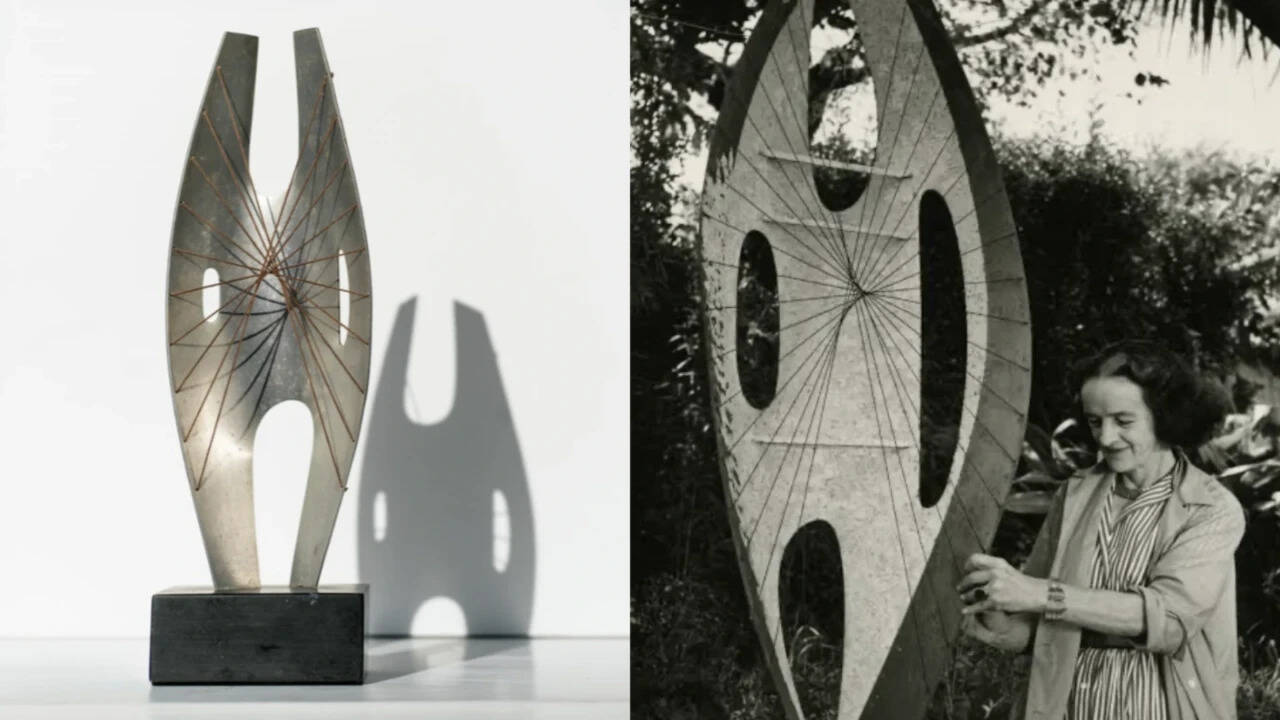
WorldBarbara Hepworth's miniature sculpture of Winged Figure, a personal gift to Dr. Roger Slack, is returning to auction. This 13-inch artwork could reach an estimated value of £80,000 at the auction in Cornwall. Roger Slack's relationship with Hepworth grew out of their doctor-patient dynamic within…
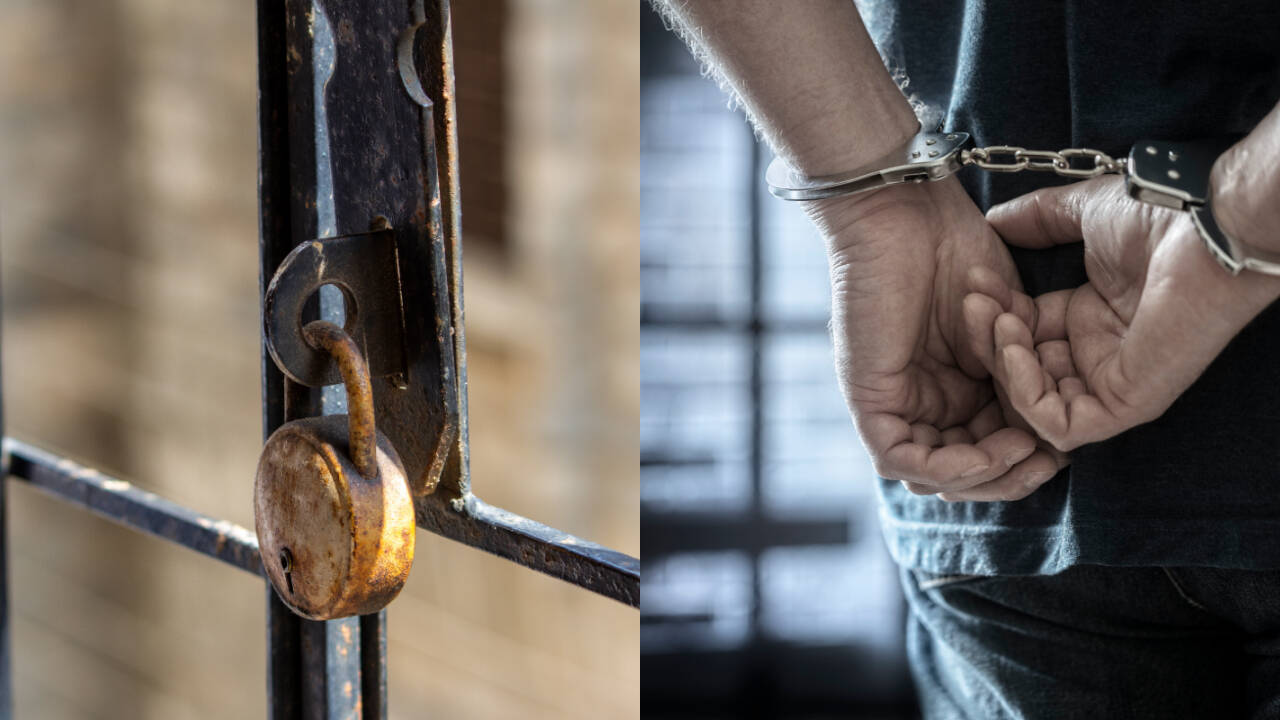
WorldWorldA foreclosure dispute surrounding Mamadou Diallo is back in court due to notification concerns. The Ohio appeals court has ruled that Diallo's subsequent actions do not establish proof of proper service for the foreclosure notice. Having been convicted for the murder of his spouse, Diallo contested…
WorldAuthoritarian parenting can lead to persistent antisocial thoughts among teenagers, affecting their social behavior and emotional well-being. Research indicates that strict parenting fosters beliefs that may justify rule-breaking and aggression. While not all adolescents display increased anxiety…
World WorldWorldA recent ruling from a Missouri appeals court determined that a couple abandoned ownership of their damaged Lexus by signing the title over to an unidentified tow-truck driver. The court upheld that the towing company’s claim of an improperly processed title transfer made the couple responsible for…
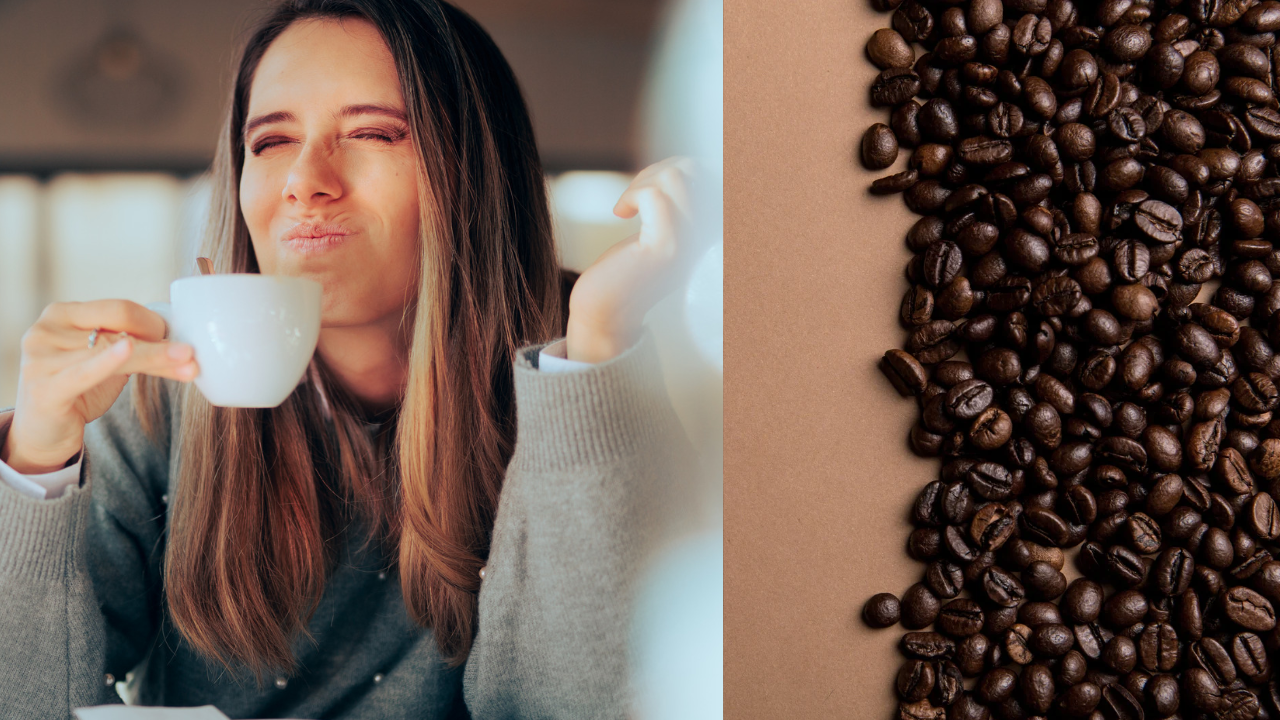
WorldResearchers have discovered that our tastes for certain foods, even those that might initially be bitter, shift as we grow. The gut sends vital signals to our brain about what we eat, influencing our cravings through dopamine, which is known for its role in reward and motivation. Consequently, this…
WorldWorldWorldWorldWorldA recent decision by a Missouri appeals court has overturned a previous dismissal of a negligence lawsuit involving Super 6 Inn. The plaintiff, Jeff Woosley, sustained a shoulder injury while attempting to photograph damage on a parked van. The court’s ruling highlighted ongoing disputes about the…
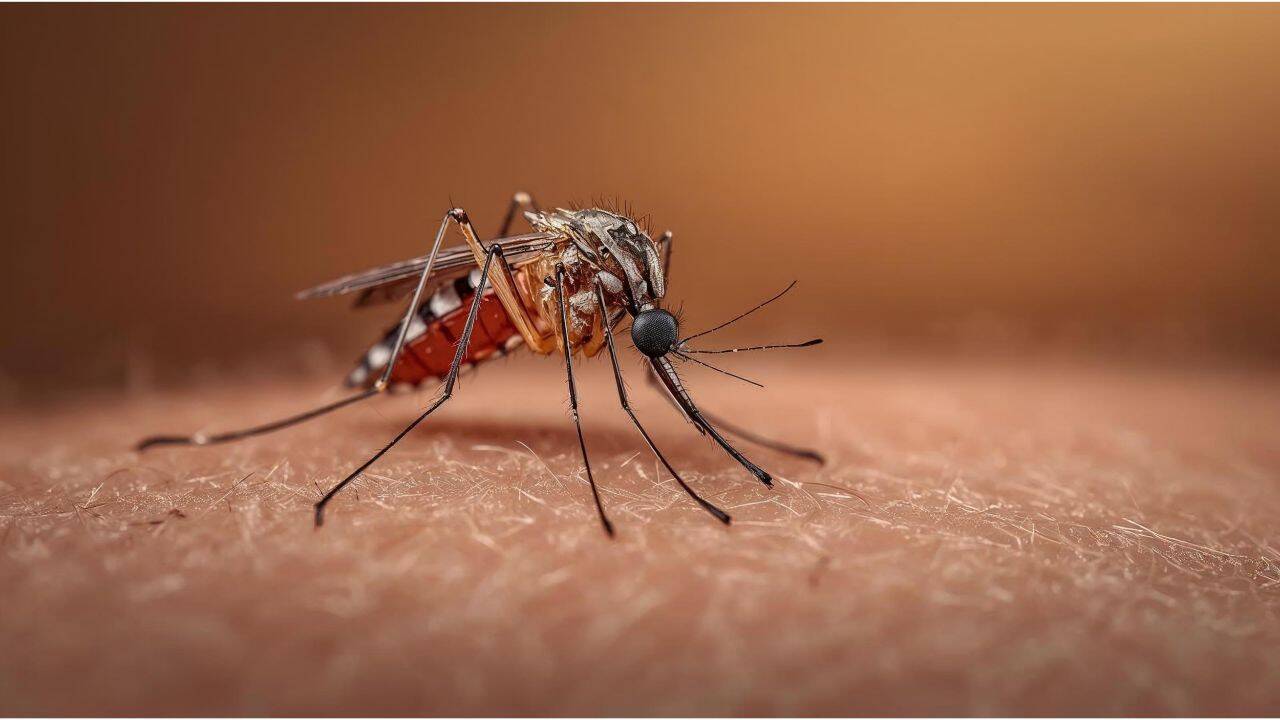
WorldRecent studies shed light on the intriguing attraction between mosquitoes and humans, revealing that different species of these pests have specific preferences for individual body odors and the unique skin microbiomes of their hosts. The findings from research involving human volunteers illustrate…
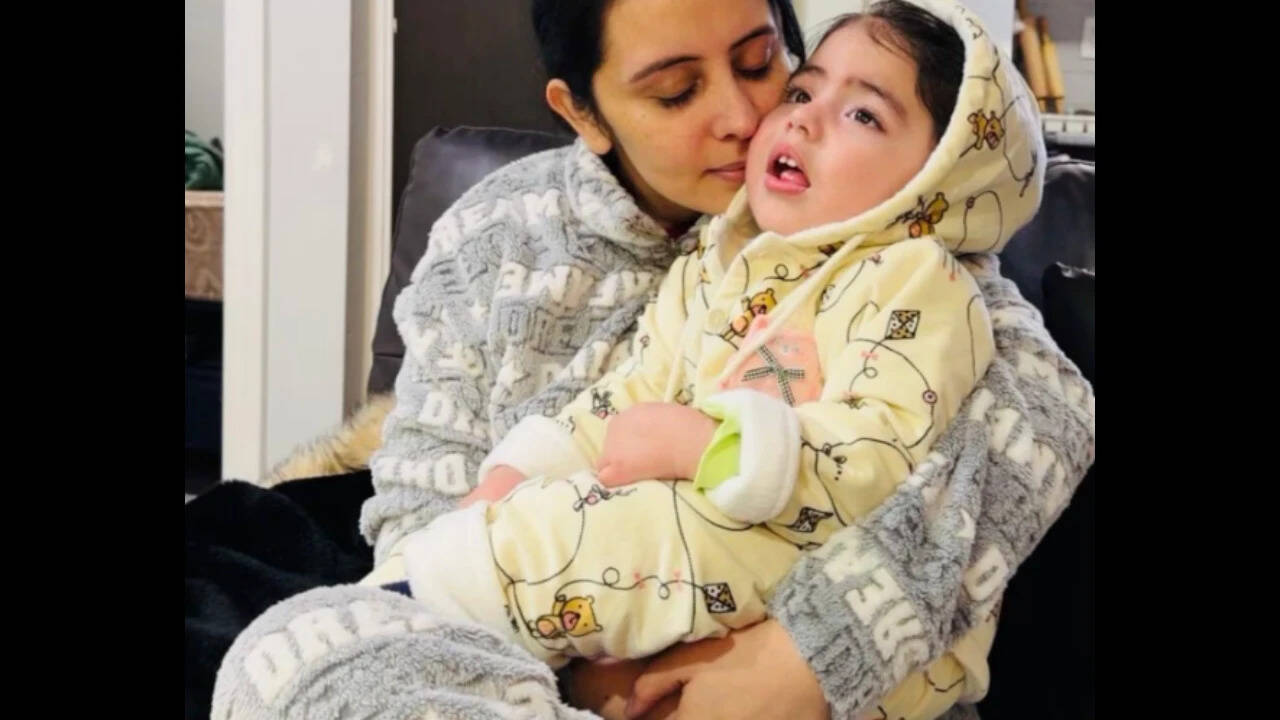
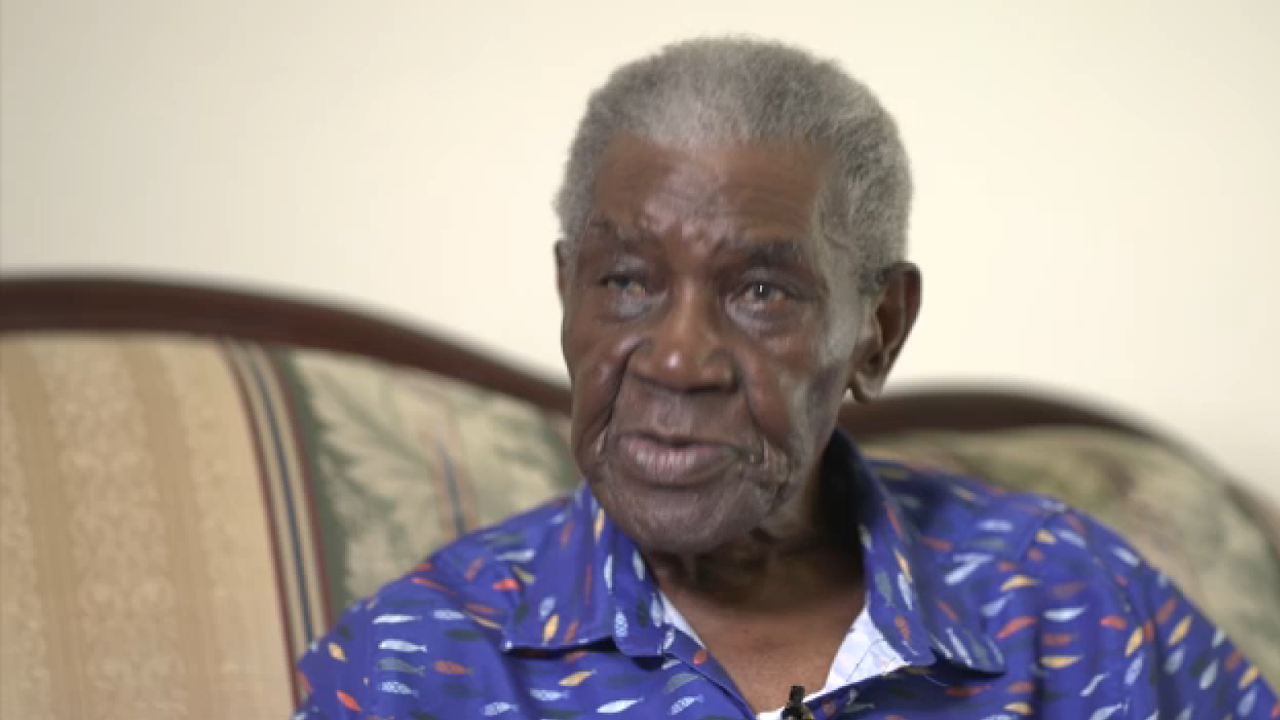
WorldJames Dorsey, a 95-year-old resident of Houston, has finally secured his long-missing birth certificate, a significant milestone that eluded him for decades. Born on a Louisiana plantation, Dorsey discovered the absence of this key document while planning his marriage. With the assistance of…
WorldWorldIn a pivotal ruling, a Texas appeals court declared that the Lake Bonanza Property Owners Association bears no responsibility for a brawl involving its volunteer treasurer. This incident unfolded during a budget meeting where tensions escalated, leading to a physical confrontation between treasurer…
WorldWorld